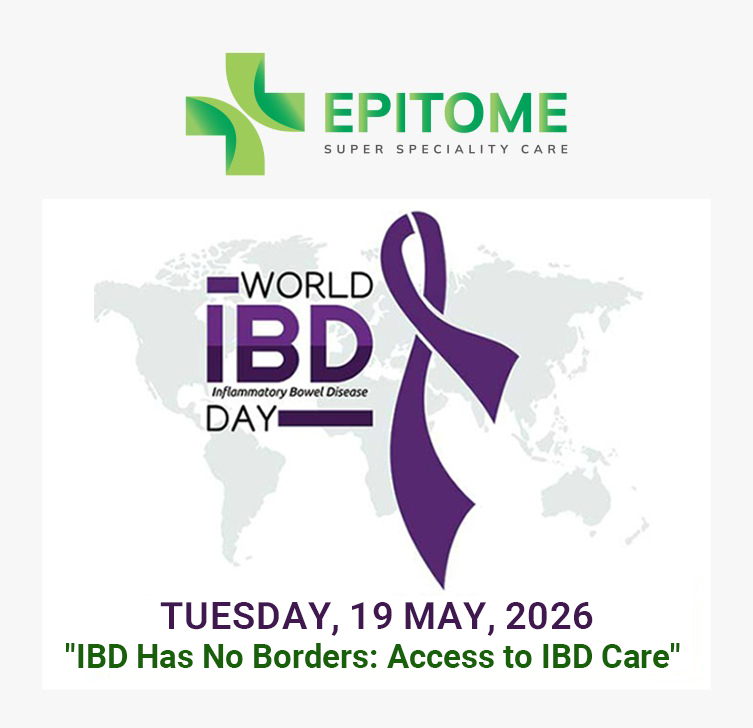
The observance of World Inflammatory Bowel Disease Day on May 19, 2026, marks a pivotal moment in the global effort to harmonize the standards of care for Crohn's disease and ulcerative colitis. Under the theme "IBD Has No Borders: Access to IBD Care," the international medical community is confronting the stark reality that while these chronic conditions transcend national and geographic boundaries, the infrastructure required to manage them remains profoundly fragmented. 1 This report synthesizes current clinical evidence, epidemiological trends, and therapeutic advancements to provide a comprehensive overview of the state of inflammatory bowel disease (IBD) as it transitions from a regional health concern to a global epidemic. 2
What Is IBD?
Inflammatory Bowel Disease (IBD) is a classification for chronic, immune-mediated inflammatory disorders of the gastrointestinal tract, primarily encompassing Crohn's disease (CD) and ulcerative colitis (UC). 1 These conditions are characterized by a dysregulated immune response to the gut microbiota in genetically susceptible individuals, leading to a cycle of chronic inflammation, tissue damage, and functional impairment. 2
The epidemiological trajectory of IBD is traditionally viewed through four distinct stages: emergence, acceleration in incidence, compounding prevalence, and prevalence equilibrium. 1 Historically, IBD was predominantly identified in Westernized nations; however, as of 2026, the burden is shifting toward newly industrialized regions in Asia, Africa, and Latin America. 2 Western countries currently face a "compounding prevalence" stage where stable incidence and low mortality rates lead to an ever-growing population of patients requiring lifelong care, potentially reaching 1% of the total population by the end of the decade. 1
Comparative Pathophysiology of Crohn's Disease and Ulcerative Colitis
| Feature | Crohn's Disease (CD) | Ulcerative Colitis (UC) |
|---|---|---|
| Anatomical Distribution | Any part of the GI tract (mouth to anus); skip lesions common. | Limited to the colon and rectum; continuous inflammation. |
| Depth of Inflammation | Transmural (full thickness of the bowel wall). | Mucosal and submucosal layers only. |
| Histological Hallmarks | Non-caseating granulomas (in 33% of cases); lymphoid aggregates. | Crypt abscesses; architectural distortion of the mucosa. |
| Clinical Presentation | Abdominal pain, chronic diarrhea, weight loss, fistulas. | Bloody diarrhea, urgency, tenesmus, abdominal cramping. |
Common Signs of IBD
The clinical recognition of IBD is often delayed because its early symptoms mimic those of more benign gastrointestinal disturbances. The hallmark of IBD is persistent, debilitating symptoms that correlate with active intestinal inflammation. Persistent diarrhea, often nocturnal and associated with urgency, is the most common presenting symptom. In ulcerative colitis, this diarrhea is frequently bloody, accompanied by mucus and tenesmus, reflecting the intense inflammation of the rectal mucosa.
Beyond localized gastrointestinal distress, IBD manifests as a systemic illness. Chronic fatigue is a nearly universal complaint, impacting over 80% of patients during active flares and persisting in approximately 40% of those in clinical remission. This fatigue is multifactorial, stemming from systemic cytokine release, chronic anemia, and the metabolic demands of tissue repair. 3 Weight loss and growth failure are particularly concerning in pediatric populations, where they may be the primary indicator of disease prior to the onset of significant diarrhea.
IBD vs. IBS: Key Differences
A significant clinical challenge in the diagnostic pathway is the overlap between IBD and Irritable Bowel Syndrome (IBS). While both conditions share a similar acronym and common symptoms such as bloating, abdominal pain, and altered bowel habits, their underlying mechanisms and long-term consequences are fundamentally distinct. IBS is a functional disorder of the gut-brain interaction, characterized by visceral hypersensitivity and motility issues without structural damage. In contrast, IBD is an inflammatory disease that causes progressive, often irreversible destruction of the intestinal tissue. 3
| Feature | IBD | IBS |
|---|---|---|
| Nature of disease | Chronic inflammatory disease | Functional bowel disorder |
| Intestinal damage | Present | Absent |
| Blood in stool | Common | Rare |
| Weight loss | Common | Uncommon |
| Risk of complications | High | Low |
| Diagnostic findings | Inflammation seen on colonoscopy | Usually normal tests |
What Causes IBD?
The exact cause of IBD remains unclear, but it is believed to result from an abnormal immune response triggered by genetic susceptibility and environmental factors. 4
Several contributing factors include:
- Genetic predisposition
- Immune system dysfunction
- Altered gut microbiota
- Smoking
- Western dietary patterns
- Environmental pollution
- Stress and lifestyle factors
More than 200 genetic loci have been associated with IBD risk. Researchers continue to investigate molecular and immune pathways involved in disease progression.
IBD Has No Age
Historically considered a disease of young adults, IBD is now increasingly recognised across the lifespan — from very-early-onset IBD in children to new diagnoses in older adults. 5 Large epidemiologic studies show rising incidence in paediatric populations while prevalence continues to increase in all age groups as survival improves.
Children with IBD may present with growth failure, delayed puberty, or nonspecific symptoms such as fatigue and anaemia, which can be missed where paediatric gastroenterology services are limited. At the other end of the age spectrum, older patients often have multiple comorbidities and complex polypharmacy, requiring tailored treatment choices that are not always available in resource-constrained settings.
Risk Factors
The sudden rise of IBD in newly industrialized nations points toward the "Westernization" of the environment as the primary driver of disease. The exposome — the sum of all environmental exposures over a lifetime — modulates genetic risk through epigenetic modifications.
1. The Impact of Diet and Lifestyle
The Western dietary pattern is characterized by high intake of ultra-processed foods, saturated fats, and refined sugars, alongside a low intake of fiber and fresh produce.
| Dietary Factor | Impact on IBD Risk | Postulated Mechanism |
|---|---|---|
| Total Meat Consumption | 38% increase per 100g/day | High intake of heme iron and n-6 PUFAs promotes pro-inflammatory pathways. |
| Ultra-Processed Foods | Strong risk factor | Food additives (emulsifiers) disrupt the mucosal layer and promote dysbiosis. |
| Dietary Fiber | Protective | Fiber is fermented into SCFAs, which support mucosal barrier and T-regulatory cells. |
| Breastfeeding | Protective | Establishes a diverse microbiome and promotes immune tolerance in infancy. |
2. Environmental and Medication Risks
- Smoking Paradox: Smoking is the most significant modifiable risk factor for Crohn's disease, increasing the risk of recurrence and surgery. However, it remains a "protective" factor for the onset of ulcerative colitis, a phenomenon that has prompted research into nicotinic acetylcholine receptors as therapeutic targets.
- Early Life Exposures: Cesarean sections and the use of antibiotics in the first year of life significantly increase the risk of IBD by disrupting the crucial "window of opportunity" for microbiome development.
- Medications: Long-term use of non-steroidal anti-inflammatory drugs (NSAIDs) and oral contraceptive pills (OCPs) have been linked to disease flares and an increased risk of initial diagnosis, likely through effects on gut permeability and estrogen-mediated immune modulation.
Long-Term Complications of IBD
Untreated or poorly controlled IBD may lead to severe complications including: 6
- Intestinal strictures
- Fistula formation
- Abscesses
- Malnutrition
- Anemia
- Osteoporosis
- Colorectal cancer
- Growth retardation in children
Patients with long-standing ulcerative colitis are at increased risk of colorectal cancer, particularly when inflammation remains uncontrolled for many years. Chronic inflammation can also affect mental health, social functioning, and work productivity.
Diagnosis and Testing
Early diagnosis is essential to prevent disease progression and complications. 1 Diagnosis usually involves:
- Medical history and physical examination
- Blood tests for inflammation and anemia
- Stool examination
- Colonoscopy with biopsy
- Imaging tests such as CT or MRI enterography
Colonoscopy remains the gold standard for confirming diagnosis and assessing disease extent. Histopathological examination helps differentiate Crohn's disease from ulcerative colitis. Advances in biomarkers and imaging technologies are improving early detection and disease monitoring.
Treatment Options for IBD
The therapeutic armamentarium for IBD has reached a "therapeutic ceiling," where current medications achieve remission in about 40–60% of patients. To break this ceiling, 2026 clinical practice is moving toward precision medicine and the early use of advanced therapies. 7
1. Pharmacological Evolution
IBD treatment mainly focuses on reducing inflammation inside the intestine, controlling symptoms, preventing complications, and helping patients achieve long-term remission. Modern treatment approaches can improve quality of life and reduce the chances of hospitalization or surgery. 8,9
Anti-inflammatory Medicines
Anti-inflammatory medicines are often the first treatment used in mild-to-moderate ulcerative colitis. Medicines such as mesalamine help reduce swelling and irritation in the intestine and may help maintain remission. 10,11 Steroids such as corticosteroids may also be used for a short period during disease flare-ups because they quickly reduce inflammation. However, long-term use is usually avoided due to side effects.
Immunomodulators
Some medicines work by calming an overactive immune system that causes inflammation in IBD. Drugs such as azathioprine, mercaptopurine, and methotrexate are commonly used in patients with moderate or severe disease. These medicines may help reduce flare-ups and lower steroid dependence. 12,13
Small Molecule Medicines
Newer oral medicines called "small molecules" are now available for IBD treatment. Medicines such as tofacitinib and upadacitinib help block inflammatory signals inside the body and improve symptoms in ulcerative colitis. Ozanimod is another newer medicine that helps control immune cells involved in intestinal inflammation. Patients taking these medicines require regular medical follow-up because some treatments may increase the risk of infections or heart-related problems. 14,15
Biologic Therapy
Biologics are advanced medicines that target specific proteins responsible for inflammation. Medicines such as infliximab, adalimumab, vedolizumab, ustekinumab, and risankizumab are commonly used in moderate-to-severe IBD. These medicines can help heal the intestine, reduce symptoms, and decrease the need for surgery. 16,17
Antibiotics
Antibiotics such as ciprofloxacin and metronidazole may be used when infection or complications like fistulas and perianal Crohn's disease are present. 18
Supportive Care and Supplements
Some supportive treatments may help improve daily symptoms:
- Fiber supplements may help mild diarrhea in some patients.
- Loperamide may help severe diarrhea under medical supervision.
- Acetaminophen is usually preferred for pain relief.
- Painkillers such as ibuprofen and diclofenac may worsen IBD symptoms and are generally avoided.
- Vitamins, iron, calcium, vitamin D, and nutritional supplements may be needed if the body is not absorbing nutrients properly.
Regular follow-up, healthy eating habits, stress management, and taking medicines as advised are important for long-term control of IBD. 19,20
2. Nutritional and Holistic Therapies
Dietary therapy is no longer considered "alternative" but is part of the integrated management plan.
- Exclusive Enteral Nutrition (EEN): The first-line induction therapy for pediatric Crohn's, avoiding the need for corticosteroids.
- Crohn's Disease Exclusion Diet (CDED): A whole-food approach that has been shown in 2025 trials to be more tolerable than EEN in adults while maintaining high rates of clinical remission.
- Mediterranean Diet: Recommended for maintenance of remission and reduction of fecal calprotectin in both CD and UC.
3. Surgical and Post-Operative Care
Surgery is a vital part of the multidisciplinary care team (MDT). In ulcerative colitis, a total colectomy can be a curative option for those with refractory disease or dysplasia. In Crohn's, the shift has moved toward preventative surgical strategies, such as Kono-S anastomosis to reduce the risk of postoperative recurrence. Post-operative monitoring with endoscopy and IUS at 6–12 months is now mandatory to identify early recurrence before symptoms develop. 16
IBD and Mental Health
The "No Borders" theme extends to the holistic care of the patient, acknowledging that the burden of IBD is as much psychological as it is physical. 3
The Prevalence of Psychological Distress
Meta-analyses in 2024–2025 have confirmed the high susceptibility of IBD patients to mental health conditions compared to the general population.
- Anxiety: Affects approximately 35.7% of the IBD population.
- Depression: Affects approximately 15.7–22% of patients.
- The Vicious Cycle: Depression and anxiety are not just consequences of the disease; they are active drivers of it. Patients with comorbid depression have significantly higher rates of hospitalization, surgery, and treatment escalation.
Integrated Psychosocial Care
The standard of care in 2026 requires the routine screening of IBD patients for psychological distress.
- Psychological Interventions: Cognitive Behavioral Therapy (CBT) and Mindfulness-Based Interventions (MBI) have been shown in network meta-analyses to effectively reduce symptoms of depression and improve health-related quality of life.
- Social Support: Higher levels of social support are positively correlated with better quality of life and lower levels of "demoralization" — a state of hopelessness that can occur in chronic illness.
- Impact on Physiology: Emerging evidence suggests that psychological interventions may even influence biological markers; treatments targeting mood have been linked to reductions in systemic inflammation and fecal calprotectin.
Conclusion
The theme of World Inflammatory Bowel Disease Day 2026, "IBD Has No Borders: Access to IBD Care," serves as a call to action for the global healthcare community. The evidence synthesized in this report highlights a critical transition: IBD is now a universal health challenge that requires a universal response.
The path forward is defined by the REACH roadmap, which identifies five key pillars for the next five years:
- Rapid Diagnosis: Shortening the diagnostic delay through increased awareness and the use of point-of-care tools like IUS and fecal calprotectin.
- Equitable Access: Overcoming geographic and financial barriers to ensure that advanced therapies and multidisciplinary care are available to all, regardless of whether they live in rural counties or high-income urban centers.
- Attainable Sustainability: Implementing cost-effective monitoring and biosimilar utilization to maintain the viability of healthcare systems facing "compounding prevalence".
- Exploration of Cause: Investing in precision medicine and genetic research in diverse populations to find the root causes of the "therapeutic ceiling".
- Holistic Care: Integrating mental health support and nutritional therapy as core components of the IBD care team.
By breaking the borders of geography, age, and specialized silos, the global IBD community can move toward a future where every patient, regardless of where they live or when they were diagnosed, receives the highest standard of evidence-based care. 1 The 2026 Roundtable in Singapore represents only the beginning of this collective journey toward a world where IBD care truly has no borders.
References
- World IBD Day 2026 - IFCCA, accessed May 16, 2026.
- World IBD Day 2026: Awareness for Crohn's Disease and Ulcerative Colitis - Fifth Ray, accessed May 16, 2026.
- Jian Wan, Jiaming Zhou et al. Epidemiology, pathogenesis, diagnosis, and treatment of inflammatory bowel disease: Insights from the past two years. Chin Med J (Engl). 2025 Feb 25;138(7):763–776.
- Burisch J, et al. Equitable access to inflammatory bowel disease care. J Crohns Colitis. 2026;20(Suppl 2):ii11-ii18.
- Int J Clin Oncol. 2026 Apr;31(4):569-578.
- Fairbrass KM, et al. Relative contribution of disease activity and psychological factors in IBD. Gastroenterology. 2022;162(3):715-726.
- Muhammad Ali Muzammil, FNU Fariha et al. Advancements in Inflammatory Bowel Disease: A Narrative Review of Diagnostics, Management, Epidemiology, Prevalence, Patient Outcomes, Quality of Life, and Clinical Presentation. Cureus. 2023 Jun 28;15(6):e41120.
- Torres J, Mehandru S, Colombel JF, Peyrin-Biroulet L. Crohn's disease. Lancet. 2017;389(10080):1741-55.
- Ungaro R, Mehandru S, Allen PB, Peyrin-Biroulet L, Colombel JF. Ulcerative colitis. Lancet. 2017;389(10080):1756-70.
- Harbord M, Eliakim R, Bettenworth D, et al. Third European evidence-based consensus on ulcerative colitis. J Crohns Colitis. 2017;11(7):769-84.
- Ford AC, Achkar JP, Khan KJ, et al. Efficacy of 5-aminosalicylates in ulcerative colitis. Am J Gastroenterol. 2011;106(4):601-16.
- Chande N, Patton PH, Tsoulis DJ, et al. Azathioprine or 6-mercaptopurine for Crohn's disease. Cochrane Database Syst Rev. 2015;(10):CD000067.
- Feagan BG, Fedorak RN, Irvine EJ, et al. Methotrexate for Crohn's disease. N Engl J Med. 2000;342(22):1627-32.
- Sandborn WJ, Su C, Sands BE, et al. Tofacitinib therapy for ulcerative colitis. N Engl J Med. 2017;376(18):1723-36.
- U.S. Food and Drug Administration. FDA Drug Safety Communication on JAK inhibitors. 2021.
- Feagan BG, Rutgeerts P, Sands BE, et al. Vedolizumab therapy for ulcerative colitis. N Engl J Med. 2013;369(8):699-710.
- Feagan BG, Sandborn WJ, Gasink C, et al. Ustekinumab therapy for Crohn's disease. N Engl J Med. 2016;375(20):1946-60.
- Issa M, Vijayapal A, Graham MB, et al. Antibiotics in inflammatory bowel disease. Dig Dis Sci. 2004;49(11-12):1813-18.
- Wedlake L, Slack N, Andreyev HJ, et al. Fiber in inflammatory bowel disease. J Hum Nutr Diet. 2014;27(5):434-42.
- Lamb CA, Kennedy NA, Raine T, et al. British Society of Gastroenterology guidelines on IBD management. Gut. 2019;68(Suppl 3):s1-s106.
This educational content is authored by Dr. Md. Nadeem Parvez (MD, DM – PGIMER Chandigarh), HOD, Dept. of Gastroenterology, and is intended for patient awareness and public health education. For personalized consultation and IBD care, contact the Department of Gastroenterology.